















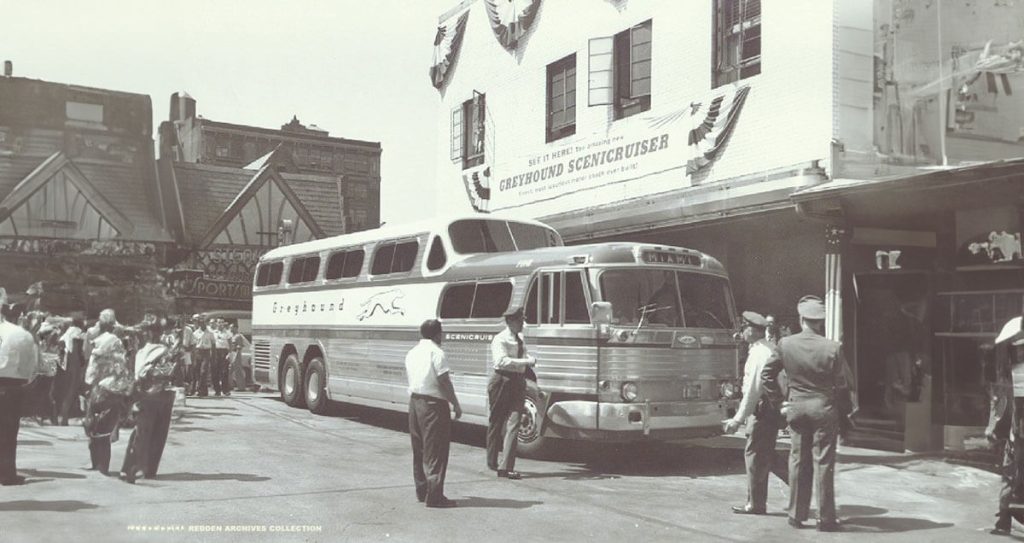

It was pitch black as the empty Scenicruiser climbed an icy Colorado slope. Wheels spinning, it fought the grade, and the grade won. It slid sideways into a ditch. Oakie was driving, and never one to quit, he spotted a D8 Caterpillar dozer parked nearby.




As a “juvenile,” he had “practiced” driving a “borrowed” bulldozer, and he put that experience into play. Firing that jewel up, he strapped it to the Scenicruiser with some chain and proceeded to jerk its’ butt out of the ditch.
Bad idea. Scenicruiser’s parking brakes only use one axle (not enough on ice). The bus began sliding downhill backward. Thus began a delicate dance as Oakie drove the ‘dozer fast enough to avoid being bashed but not so fast that he put strain on the chain and made things worse.
If Oakie had pulled when pushing that might have worked better.
There are two kinds of coaches, pushers, and pullers; and it behooves us to choose wisely.
Pullers
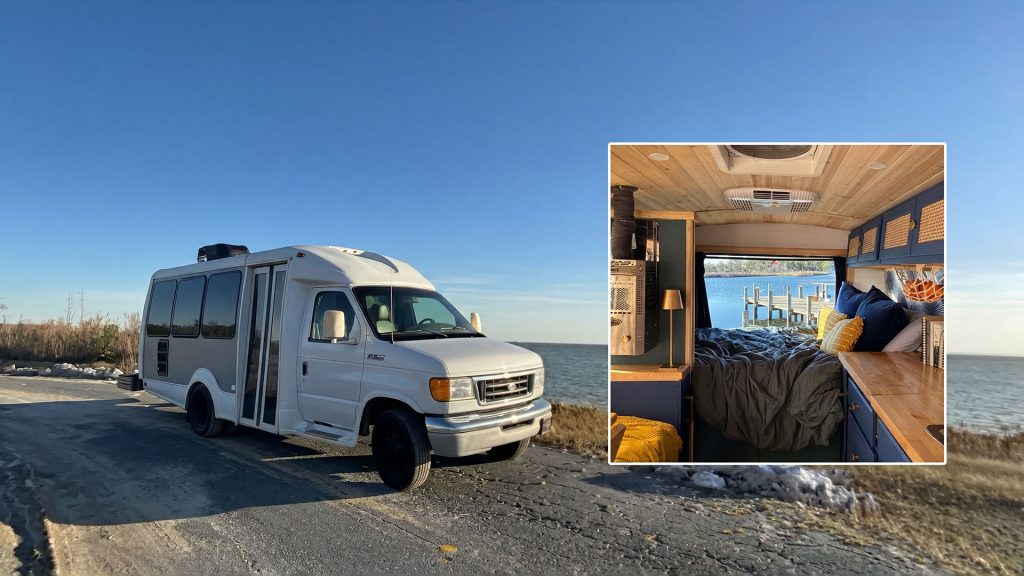
“Pulling” (i.e. a front engine) is cheaper than pushing. Virtually all pullers are a body/chassis design, with the engine and its’ accessories easy to maintain in the front of the bus generally with a removable hood. Cooling is simple since radiators bask in the breeze in the front of the bus. They’re less expensive to build and maintain.
Nothing comes free, and their weaknesses pushed them from the over-the-road motorcoach market following WWII, but they’re currently making a return.
Support can be uneven because responsibility for the chassis, body and some components are each handled by different organizations.
Entrance doors eat useful floor space, and the front of their passenger compartment tends to be noisy.
Ride quality and handling aren’t as good. High-capacity pullers have a turning radius rivaling that of a container ship, and they often sweep outside the turn with a swinging bootie.
The lengthy driveshaft occupies space that a pusher uses for luggage. Body/chassis design buses generally have a shorter lifespan (and lower residual value).
Reduced acquisition cost makes them a good choice where mileage traveled is low.
In a tougher duty cycle, the math becomes fuzzier. If they cost half as much but only have 1/4 the life expectancy… (if I was good at math, would I be writing columns?)
Pushers
Mounting the engine in the back offers problems of its own. You must stuff all sorts of delicate technology in a small hot place, where It’s harder to find and maintain. Cooling is tough. Heck, just checking the fluids can be an adventure.
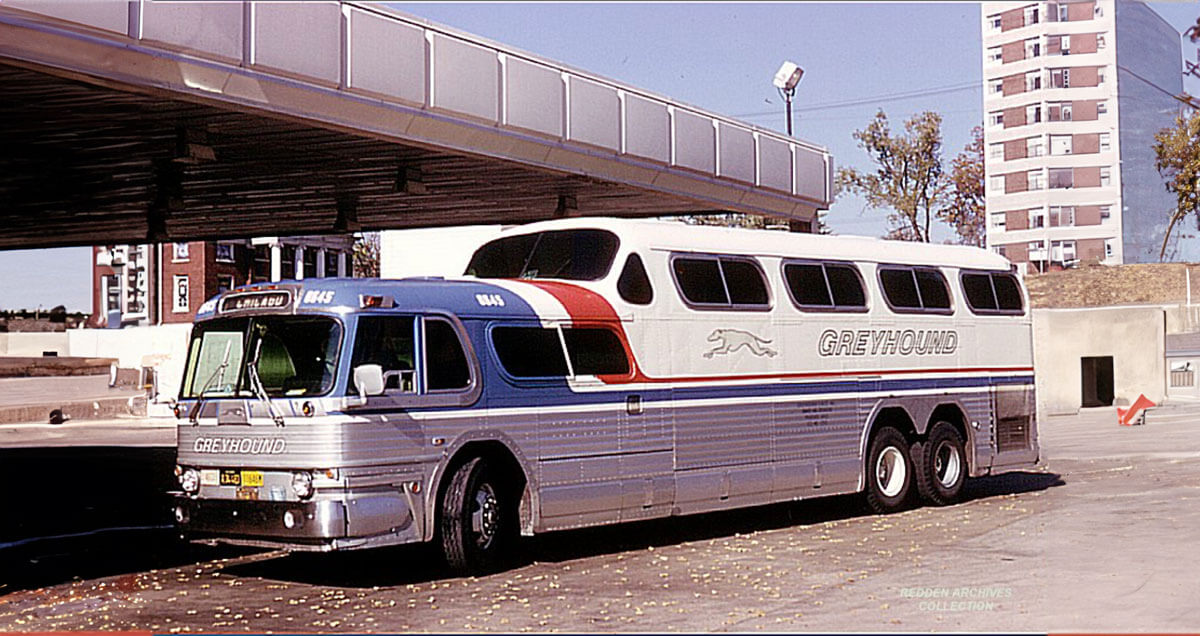
Bob (appropriately known as Mace) was frustrated. His 4104’s battery was dead, and efforts to push start it with an ancient Dodge van had been futile. A fan of inertia, he decided to back the van and get a run at the ‘04.
Bob nailed the bussy butt at 20 MPH and it did roll off. As a triumphant Mace leaped from the Dodge…its’ windshield fell out in the street. The steering wheel bracket had cracked, and from then on, we would steer that sucker by pushing/pulling the wheel… no need to turn it.
In this case, pulling might have been better than his aggravated version of pushing.
In choosing between front and rear engines for a bus conversion, consider the strengths and weaknesses as they relate to your finances and planned travel locations and schedule.