














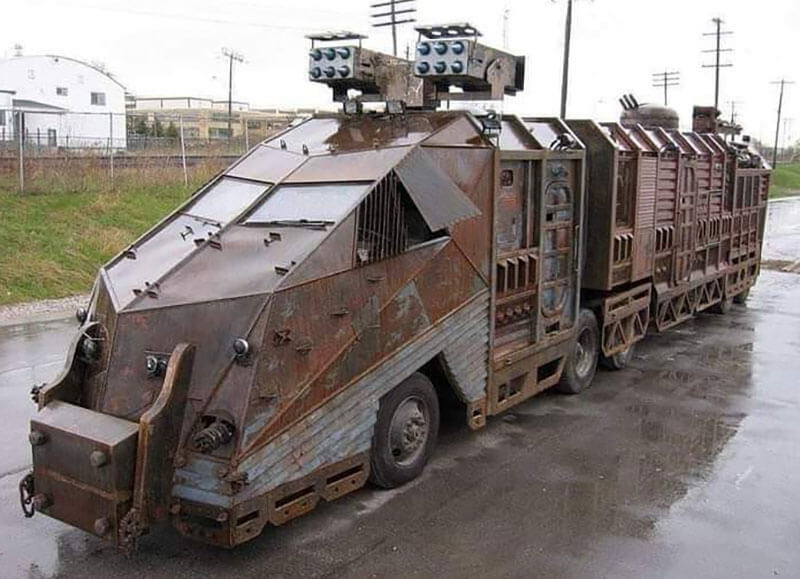

Owning a bus conversion may be one of the best ways to live in today’s world for many reasons as you know if you have been reading BCM over the years. One reason that isn’t mentioned much is that it gives you options. Options you may need to survive possible turbulent times if things get out of control in the area you live in as has happened more frequently in the past few years.


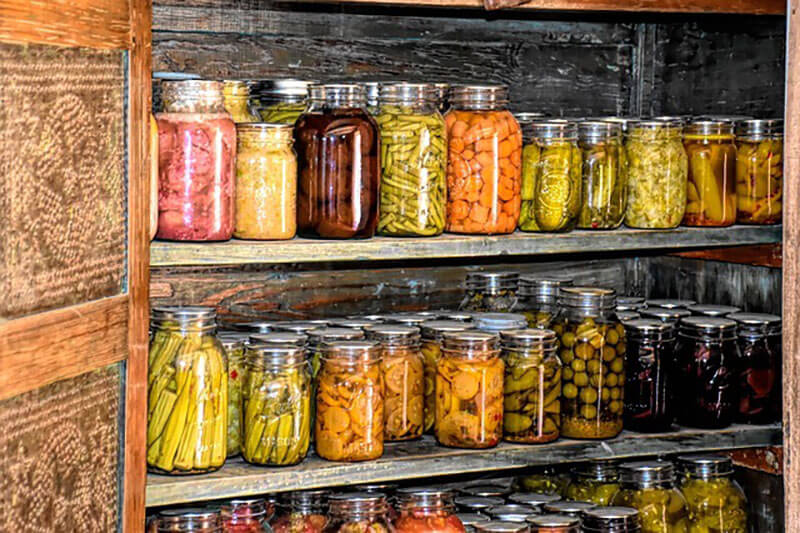
Growing up on a farm in southern New Hampshire we were Doomsday Preppers. Well not really, but we had a half-acre vegetable garden, and my grandmother who lived with us in the apartment at the end of our large farmhouse after my grandfather passed, spent much of the summer, and fall canning vegetables and filling several shelves in the cellar with pickled everything as my grandparents did most of their life on the farm.
We also raised cattle, chickens, and ducks. We slaughtered one cow each year and enough ducks so we would have roasted duck for dinner every Sunday and we also had fresh chicken eggs throughout the year. We bought fresh raw milk from the dairy farmer who lived just up the road.
We had two large freezers in the basement to store the meat and we had a generator in the garage which we would backfeed power to the house to keep a few circuits energized whenever the power went out. With that, we could power critical items such as the refrigerator, the two freezers, the water pump (we had our own well), and a few lights so we could see to get around in the dark at night.
I grew up on that 100-acre farm that we moved into after my grandfather passed away when I was about ten years old. My dad and grandparents both lived through the Great Depression on that farm in the early 1930s. Living on a farm through those times also meant you had your own gas pump, which always had fuel even during the war because farmers were always able to get fuel delivered, as fuel was essential to producing food for the community. The tank was buried in the ground under the pump next to the three-car garage.
In the harsh winters in New Hampshire, snow would sometimes get up to the windowsills on the first floor when I lived there, and it was even deeper when my dad grew up. He told me they used to have to climb out of the second-story window of the house to get to the barn to feed the animals. But I am not sure of that now.
When I was a youngster, there were a lot of blizzards in the harsh winter months, and heavy wet snow on tree branches frequently brought down the power lines. We sometimes lived several days in a row with no power, but we survived just fine as we were well prepared.
We had six woodburning fireplaces in the 14-room farmhouse, three upstairs, two downstairs, and one in the attached apartment where my grandmother lived. Three of those downstairs fireplaces had wood stoves installed when we lived there, as they were much more efficient than fireplaces and we could cook and heat water on them if necessary.
We also had a wood furnace in the basement that my dad tied into the oil furnace that was added much later. The house had a hot water radiator system that ran throughout the house. We went through about 20 cords of wood each winter, so much so, that growing up, I always thought my name was “Get Wood”, as my dad would look at me and call this out when the room started to cool off. Thankfully, with 100 acres of land, there was an abundance of dead wood to cut, split, and stack under the barn each year so as my dad used to say, we got warm three times, cutting wood, splitting wood, and burning wood.
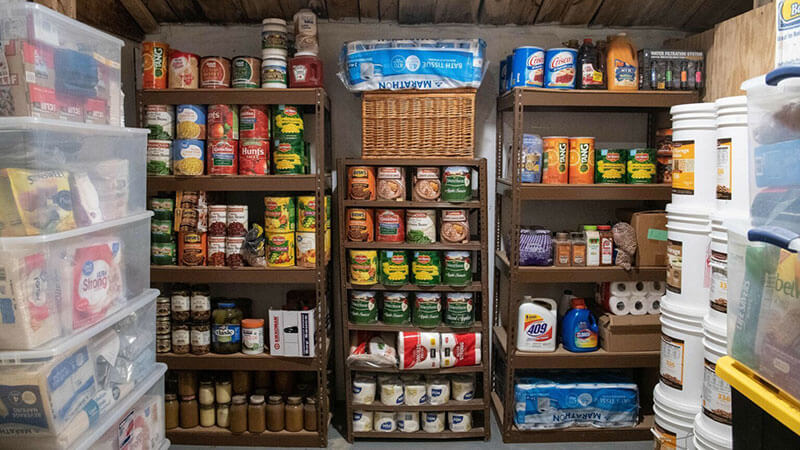
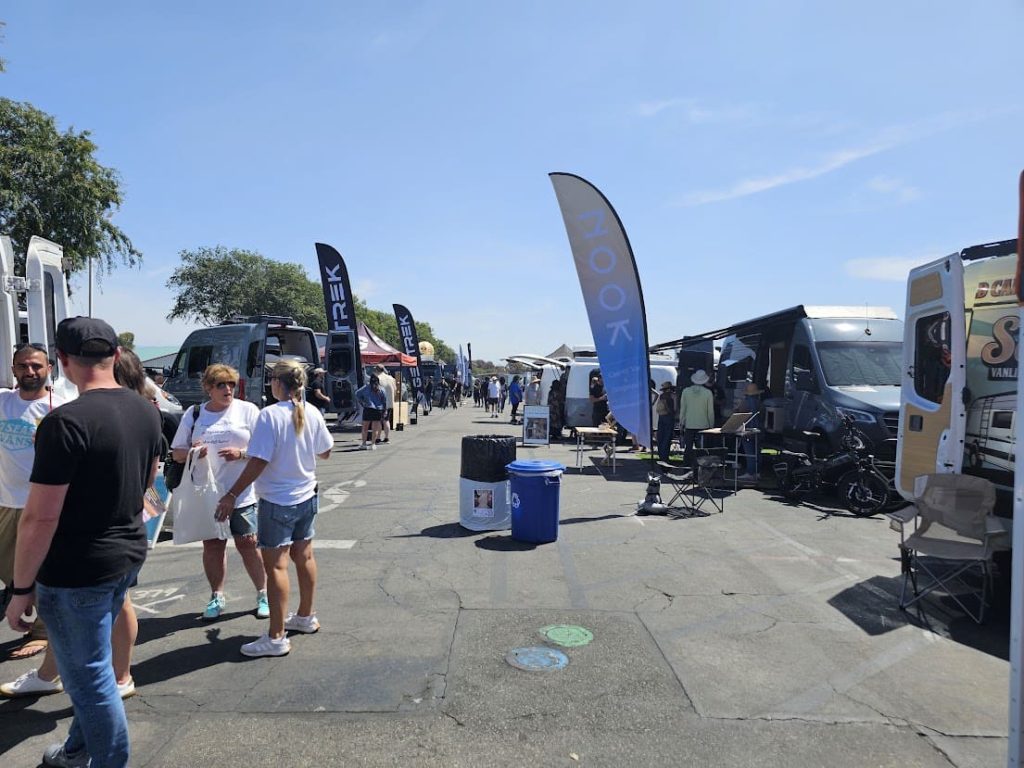
This memory came back as I met a prepper at a bus rally in Arizona in September of 2022. He has several metal shipping containers stashed with food, water, weapons, and ammunition on a remote piece of property.
We had several guns and plenty of ammo on the farm and we went hunting frequently and hence, we never ran out of food. Even during hard times, we could always hunt for fresh meat if we had to, but when you lived on a farm with livestock, you never worried about putting meat on the table. We also had a brook that had a lot of trout running through our property as well.
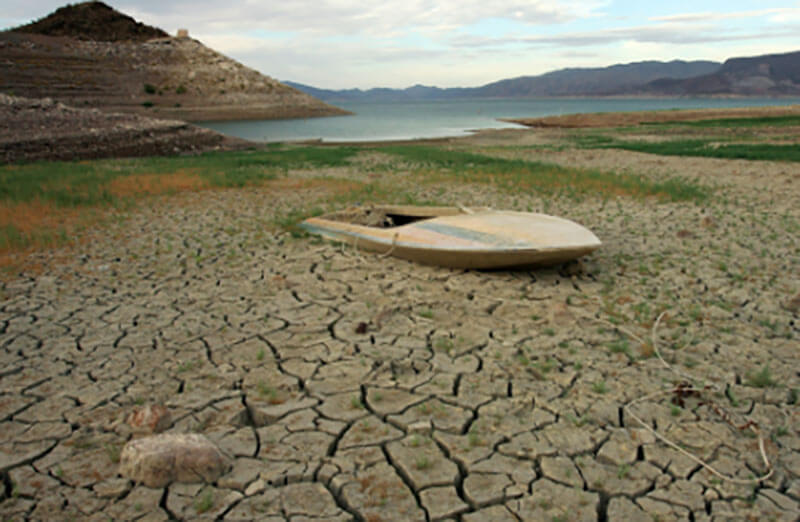
One of the advantages of living in a bus conversion is that if you are in a place like Las Vegas or Los Angeles where they are now experiencing a severe drought, if the tap runs dry, you have wheels and can move to a different location because you already have a Bug Out vehicle.
Or if you live in a place that is prone to forest fires such as in the Pacific Northwest, of which there are more now than ever before, you can bug out to another location with cleaner air if there is a forest fire or smoke begins to spread towards you.
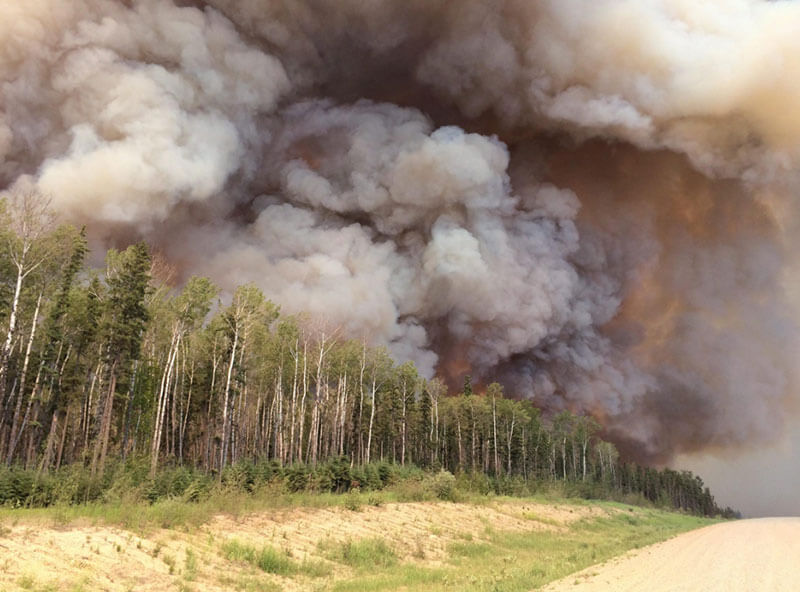
Forest Fires are becoming more common every year.
When I lived in an RV park in Southern California in the 1990’s, my bus was always connected to city water, but I always kept my freshwater tank full. There were times when the park or the city would shut off the water for repairs or maintenance, but I didn’t care as I always had fresh water to drink, bathe in, and to flush the toilet.
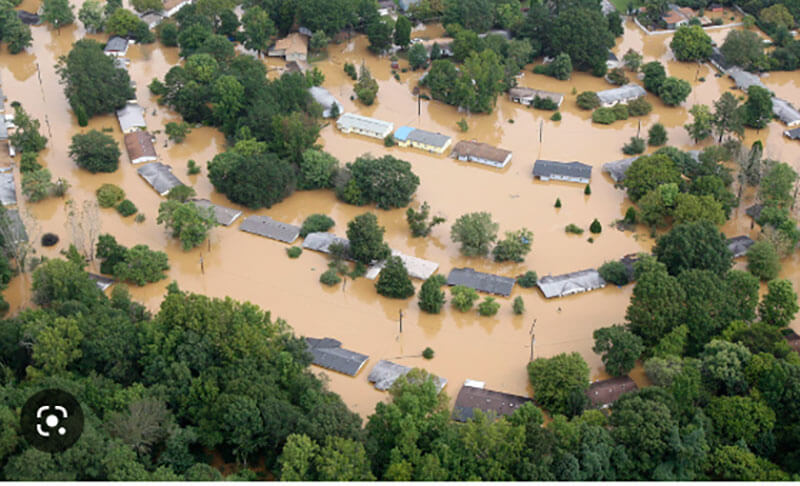
Some other RVers in the park had to survive without water for several hours some days, while life went on as usual for me because I was always prepared. Some cities in the U.S. have had floods where they had plenty of water, but none that was drinkable as the fresh water and sewer water would mix as the water level around them rose.
If the power went out in the RV park, as it occasionally did, I had an onboard generator to produce electricity. It was an old RV park with several electrical problems. I also always kept my bus fuel tank full so could always run my generator or in case I had to leave the city in a hurry if there was a threat of a bad storm or riot breaking out. I would start my generator monthly even if I did not need it, just to be sure it would start and to exercise it under a load, such as my two air conditioners, to give it a good workout. I ran it long enough to get it up to normal operating temperature.
Because you may not always have access to fresh water, I suggest that you install the largest water tank(s) you can in your bus conversion. Ardemco has over 400 different shapes and sizes of tanks, which include fresh, grey, and black water tanks, and can ship them anywhere in the U.S. They can also custom make you any size or shape tank you need. Generally speaking, the longer the bus, the more room you have for tanks.
Shorter buses may be able to escape a city faster and easier as they are nimbler, so there are some advantages of having a short bus. A short bus will also have the ability to get further off the main roads, out of sight of anyone passing by, so you can remain hidden longer from society if necessary.
Even in a short bus, you can usually find ample space under the floor or under the bed for water storage tanks. Maybe one large tank will not fit well, but two or three smaller tanks may fit just fine and plumbing between them is relatively easy. But in a long bus, you will have more room to stretch out if you are parked for an extended period of time, or if there is more than just one or two people that have to live there for a while. A longer bus will have more room for larger tanks and such luxuries as a washer/dryer combo. Read this article for more information about Laundry in a Bus.
There may come a time when you must bug out and get to higher ground in the case of flooding, or to someplace that has an ample supply of fresh water, and you will be glad you had a good supply of water on board until you get there. Or you may end up in a place with very limited water and you will be glad you had an ample supply onboard.
I always kept my fresh water tanks full all of the time, and my bus at that time had a 250-gallon freshwater tank and a 250-gallon grey/black water tank. Both tanks were made of stainless steel, which was quite common before plastic tanks became popular.
That amount of water storage would last me a month with no problem, and I could probably stretch it to two months if necessary. I am a strong proponent of having a large capacity of fresh water on board. Grey water can be dumped on the ground in an emergency, but fresh water may be hard to come by in some places.
If I ever build another bus, it will have the same setup, two 250-gallon tanks, so I can travel at least a month between filling and dumping my tanks. If you consider using large tanks, be cognizant that water is heavy, and you need to be sure your bus can safely handle that weight. Even as your fresh water level goes down, your grey and black water levels will go up by the same amount, unless you dump your grey water on the ground, which is not legal in many parts of the U.S.
One advantage of having large grey and black water tanks is that you normally pay a fixed price for dumping your black and grey tanks if you have to pay such as at Flying J truck stops and other places. They do not ask what size tanks you have. If you dump 10 gallons or 250 gallons, you pay the same price.
I also maintain at least a month’s supply of food in my bus, just in case the “stuff” hits the fan and food becomes scarce, as we have seen happen during the recent COVID pandemic when so many selfish people buy up a year’ worth of supplies like it is the end of the world.
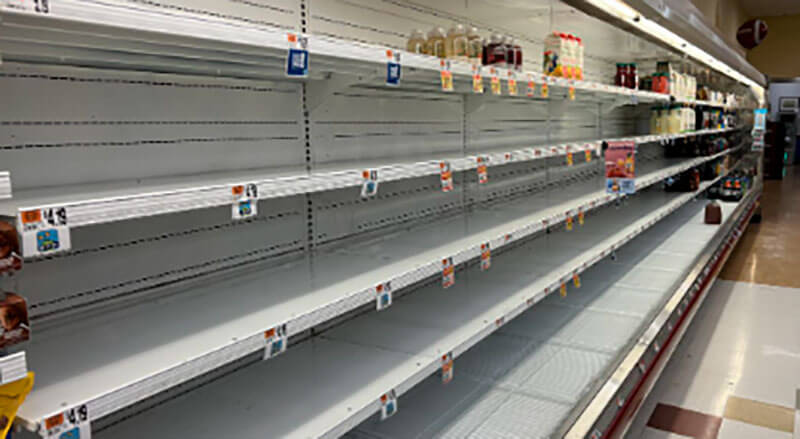
There may come a time, such as when COVID hit in 2020 when the store shelves become bare, and just before the hurricane hit Florida in September of 2022, when food and non-food items such as toilet paper and paper towels were in short supply. Planning ahead may save your life and many people seem to think you can’t live without toilet paper for some reason.
Another bug-out item you should have is a good drinking water filter system. Clearsource has one of the best systems out there as you can read in this article. With a good water filter system, you can pump water out of a stream or lake to drink if you have to.
That being said, a 12V water pump and an extra length of garden hose will make it easier if you have to pump water into your bus from a brook, pond, or other water source for an extended boondocking period. I always carry a spare 12V water pump too, as they tend to fail more often than most things built into a bus. But many lakes and streams have parasites in them so having a good filtration system may prevent you from getting sick.
My next bus will have a dual water pump system. It will have a 3.5 GPM pump and a 5.0 GPM pump connected in parallel, so when one pump fails, which it will eventually, I will be able to switch over to use the other pump. The reason for the two different GPM ratings is I will use the 5.0 GPM pump when I have a good source of fresh water so I will have a forceful flow in the shower and the toilet, and I will use the 3.5 GPM pump when I need to conserve water such as when I am boondocking for long periods of time.
Solar panels and Lithium batteries are also a huge bonus if you have to boondock for a while. Lion Energy has some great Lithium batteries and portable solar panels. I have both Lion Energy lithium batteries in my bus and solar panels on my roof. I can live off-grid indefinitely and never need to run my Wrico diesel generator unless I need to run my air conditioners, which I can live without unless I am in a very hot climate.
If you have to live off-grid for an extended period of time, you can never have too many solar panels or batteries. Lithium batteries will last longer and hold a charge much longer than lead-acid batteries as you can read in our article The Advantages of Lithium Batteries for Bus Conversions. They are also less than half the weight of lead-acid batteries, which is a concern as fuel prices keep increasing.
Taking precautions now may save your life in the future, and again, a bus conversion is one of the best Bug Out vehicles you can own. If a storm is heading your way as it did in Florida in 2022, you should bug out and head to higher ground as early as possible because all RV Parks in safe areas will fill up fast, and many of the good boondocking spaces will be taken unless you are one of the first ones there.
If a forest fire is burning towards you, get out immediately, as a little wind and very dry conditions can cause a fire to spread extremely fast as recently happened in Hawaii, and as you have seen on the news in the past couple of years becoming more of a problem due to climate change.
Another note of caution, once the masses start bugging out, the roads out of town get clogged up increasingly fast and you may not be able to escape if you wait too long, or it may take you significantly longer to get out once everyone else hits the road.
Fuel supplies during mass evacuations dwindle quickly as well, and there are long lines at the pumps, so by getting out early, you will have sufficient fuel to get to where you need to go and if you require more fuel, you can get in and out much faster. Bonus tip: Traveling at night will mean less crowded roads if you must get out of Dodge in a hurry.
Also, do your food shopping before the shelves are emptied. I suggest you start buying one or two non-perishable items each week to build up your supplies, because someday you may have to hit the road with very little warning, and if you have to stop to buy groceries on the way out of town, it may be very chaotic and may put you on the road behind other people who have the same idea.
Always refill prescription medicine that you require as soon as you can. Generally, you can refill prescriptions a few days before they expire, so refill them as soon as you can each time so you can get ahead and start stocking up on all of your medications so if there comes a time that you have to bug out, you will have extra medication on hand if you need it. Then, try to use your medication in the order you received it so none of it expires.
When converting your bus, you can never have too much storage space. Be sure to utilize all the available space in your bus for storage of items if you must survive for several weeks if necessary. There are only a few days of food and supplies in any store in the U.S. at one time, and once it is gone, it could take several days or weeks to be replenished if a disaster hits and the roads get blocked by debris or even protesters.
As you can see, a bus conversion is a great investment if things suddenly get bad in the area you live in. It provides a way to store extra water and food, as well as providing a Bug Out vehicle to get out of town in a hurry if need be.
A Skoolie in particular has a higher ground clearance than most cars, and a short bus is nimbler and will be able to get further off-road where you can park out of sight to set up a temporary camp and be left alone. And don’t forget to pack lawn chairs or even better, hammocks for everyone traveling with you so you can enjoy the great outdoors comfortably until the dust settles.
It cannot be overemphasized that your bus should always be maintained well, and your batteries always kept fully charged, which a battery maintainer will do to ensure that your bus will always start and be ready to go.
Most people recommend that if you are not actively using your bus that you start it at least once per month to not only ensure that it will start when needed, i.e., the batteries stay charged but it will also keep the engine and the transmission lubricated.
I also recommend that you take the bus out for a drive at least every three months to not only ensure the suspension and tires are okay, but to exercise everything and to keep the seals lubricated, so you will know that everything works if/when you need them. The last thing you need when trying to bug out is to find out that you need to run out and buy new start batteries, which happens a lot with these old buses when they are not properly maintained.
The issue of firearms frequently comes up in these conversations. Having a handgun or rifle in your bus is a personal choice. The laws on carrying guns and ammunition in a vehicle is different for each state. You need to check the states you will be traveling in to determine which laws apply to you. If you never have an incident while traveling in your bus, you may never run into a problem. But if you use a gun to defend yourself, even if you are in the right, it could cost you thousands of dollars in attorney and court fees to prove that you were in the right.
Guns will provide food for your family. If you run out of food in your bus, and you have moved to a remote location and do not want to take a chance going into town, or if your only vehicle will not start, you may have to hunt for food. A good rifle and a few boxes of ammunition may mean the difference in having some food to eat vs. going hungry, especially if you have a large family. Not many people nowadays are good at making snares and traps and they are iffy at best at catching food anyway.
I knew one person that had a shotgun hidden inside his wood trim right behind the driver’s seat, which was opened using a magnetic keychain. Nobody would have known there was a gun in the bus if they didn’t already know.
In one of my MCI buses, there was a hidden compartment in the front where the ramp that passengers used to walk up to get into their seats. This was covered over with flooring during the conversion, but by tugging on the carpet on the face board that trimmed out the ramp entrance, it would expose a hidden compartment that was large enough to hide a handgun or rifle.
After watching the riots on TV a couple of years ago where mobs of unruly people were blocking highways, a friend of mine started carrying his AK-47 assault rifle in his bus. He wasn’t going to have anyone threatening his family inside. That is a bit extreme, but he was going to do what he had to do to protect his family and his property and I can’t blame him.
Another concern is if you travel in the U.S., you may drive hundreds of thousands of miles carrying a gun like many truckers do with no problems. However, if you travel to Mexico or Canada, then you have to find a place to store your guns and ammunition before crossing the border. Hunting rifles can be carried into Canada, but Mexico frowns on anyone having firearms in their country. You do not want the authorities to find either of them in your bus unless you want to visit a foreign country prison and they are not be as plush as some of our prisons here in the U.S.
There is also the issue of whether you need to license your firearm for the state you live in. I know some states have some very strict laws and just because you can legally carry a firearm in the state you live in, or register your vehicle in, does not mean you can carry it across the border into another state. For more information on carrying firearms in your bus or any vehicle, consult this website. https://handgunlaw.us/documents/USRVCarCarry-1.pdf
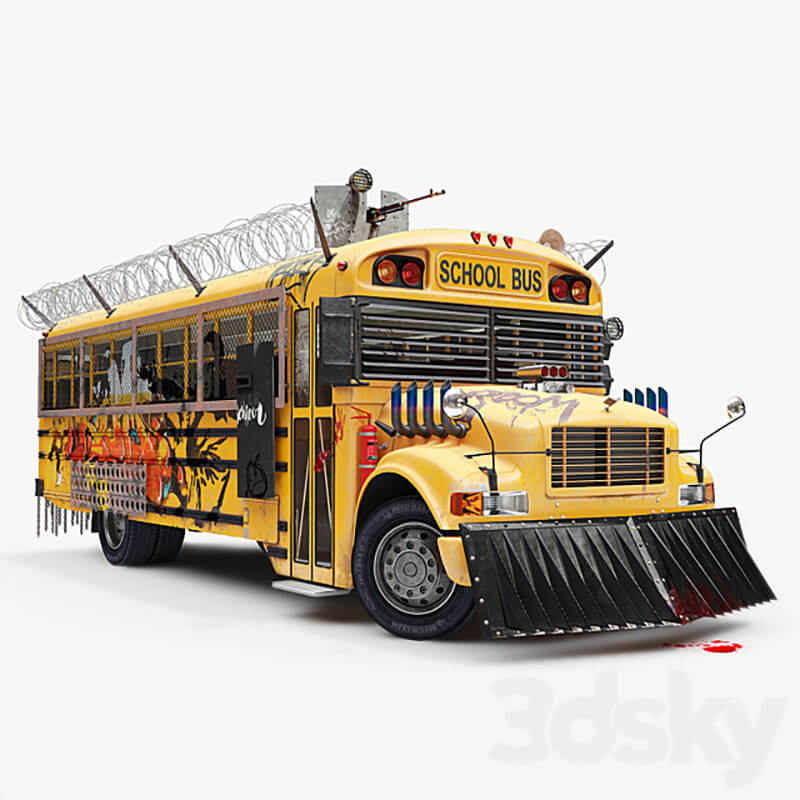
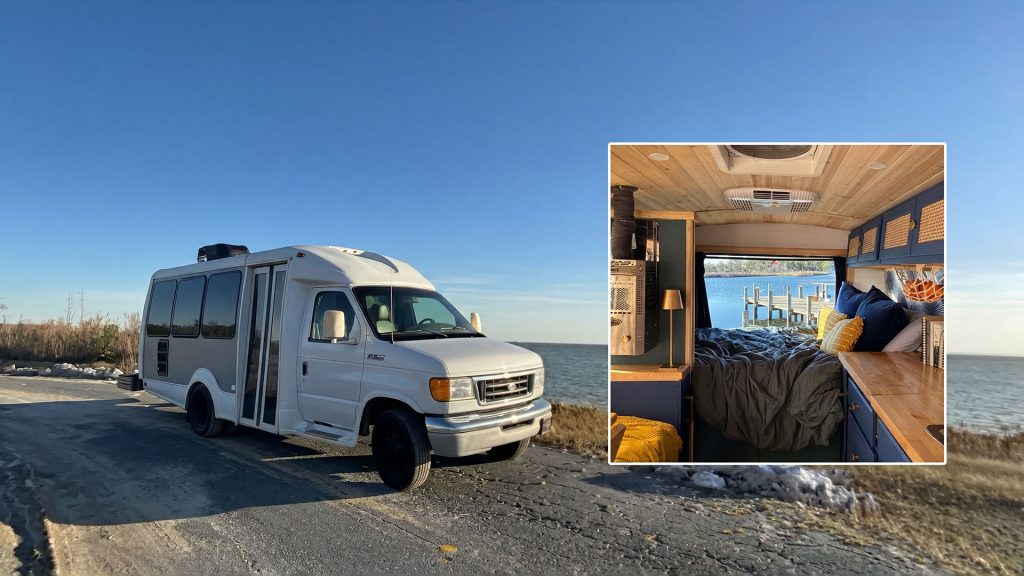
One last thing, you do not need a fancy bus for a Bug Out vehicle. What some people euphemistically call a “Hunters Special” will do the job. All you need is a reliable vehicle that will start and move and something to keep Bug Out supplies in. Water can be stored in plastic jugs if necessary, and food in milk crates.
A futon can be used as a sofa/bed, and lawn chairs will work fine. There are people out there that have very basic buses that can be used for this purpose. Of course, a fully converted plush bus will be more comfortable if you must live in it for an extended period of time, but not everyone can afford that. The bottom line, whatever works for you is your best choice, and planning ahead is critical when the stuff hits the fan.